
Care & Usage Guide
Heritage Quality & Care Standards
Nineteenth-century American households repaired things rather than replacing them. This guide follows the same logic: read the condition first, touch as little as possible, and let every material keep the surface it earned.
Read the Condition Before You Touch Anything
Before cleaning, oiling or moving an artifact, sit with it in a good light and record what you see. Photograph the four sides, the top, the base and any damage. A dated baseline photograph is the single most useful tool in household conservation, because it makes future change visible.
Then ask three questions in order: is anything loose, is anything actively deteriorating, and is anything wet or infested. Structural, active and environmental problems come before appearance every time.
Quality Standards by Material
Wood, Joinery and Original Finish
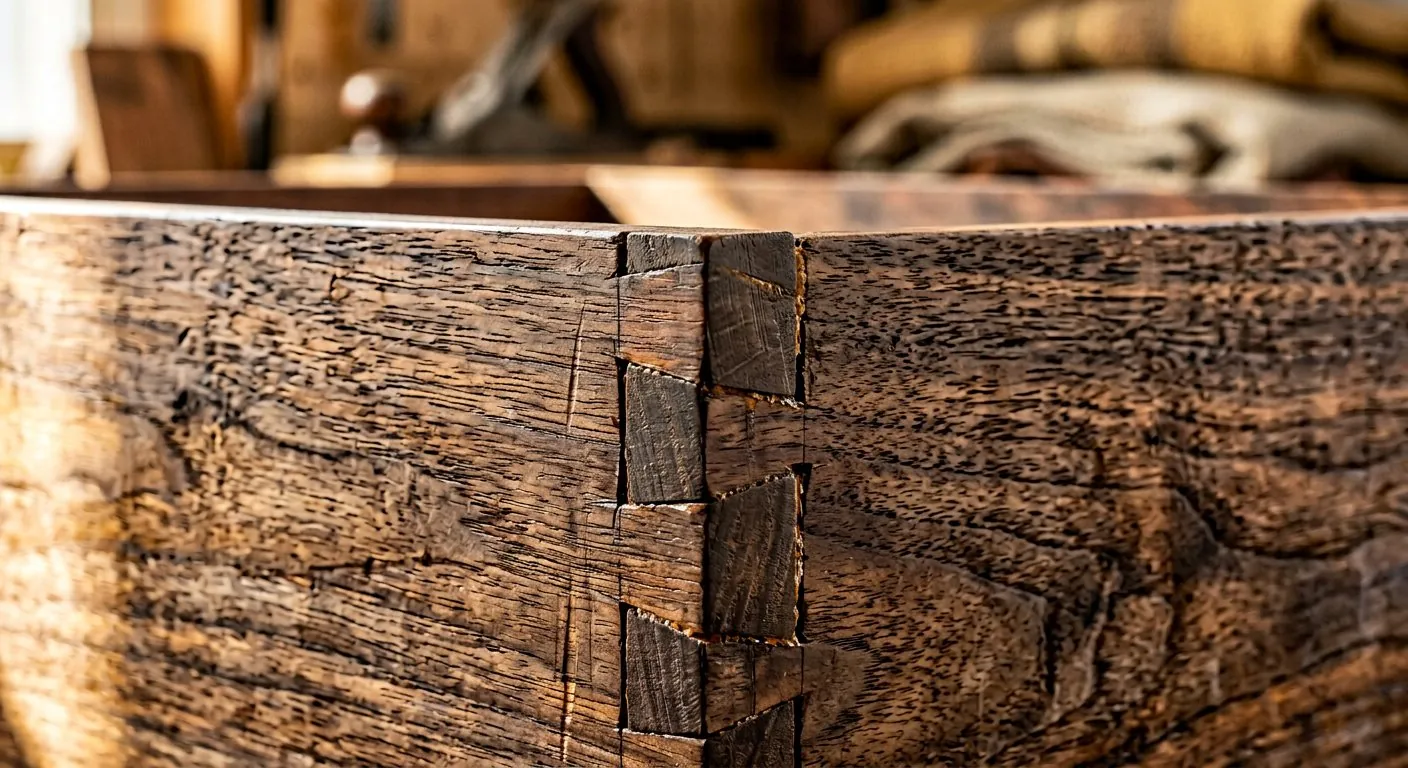
Most American case furniture carries a shellac, varnish or oil finish that has oxidized into a patina. That patina is documentary evidence of age, and it should be preserved rather than removed. Dust with a soft cloth. If the surface looks dry and tired, apply a thin coat of paste wax on a test area first.
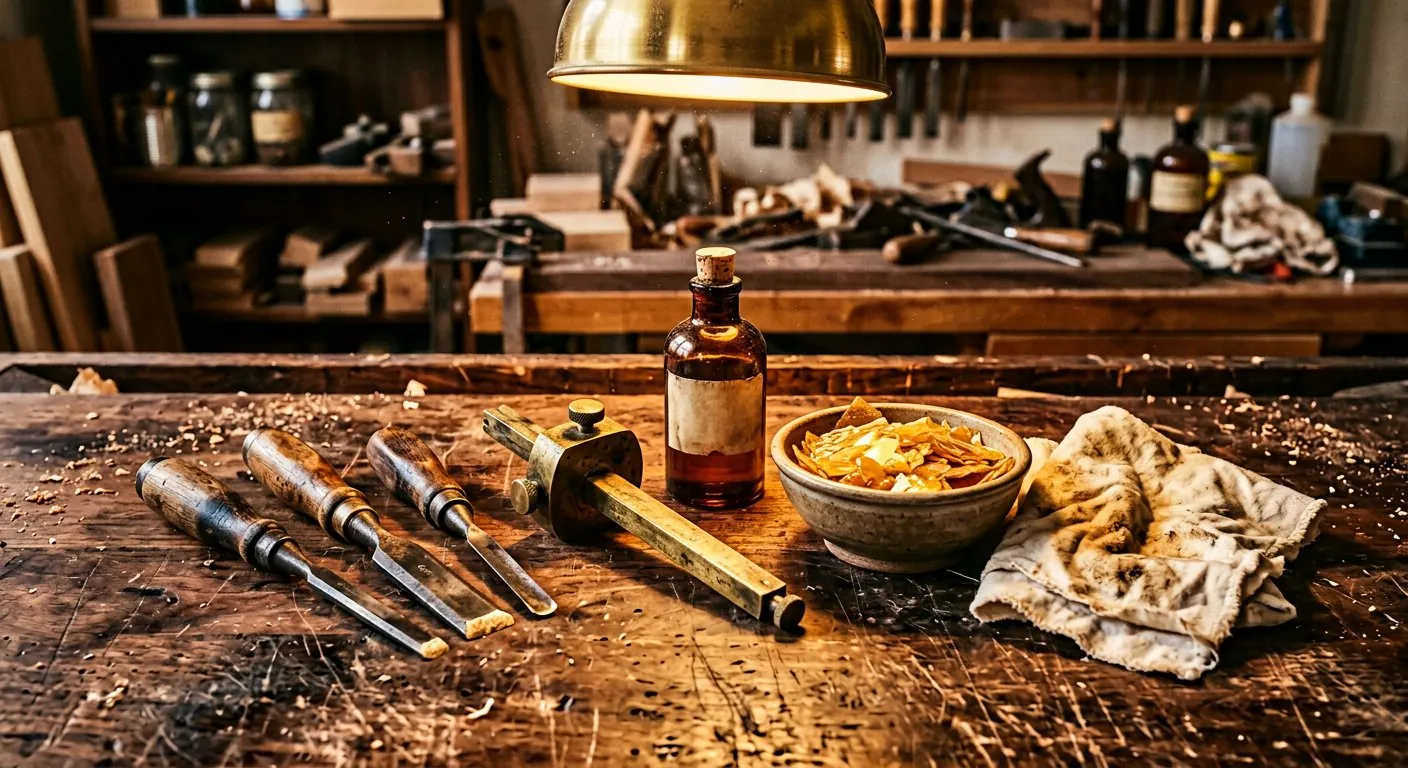
Avoid silicone polishes, oil soaps, ammonia glass cleaners and anything marketed as a restorer. They leave residues that bloom under later conservation treatment. Boiled linseed oil belongs in a workshop routine, not on a finished period surface.
Ironstone, Earthenware and Stoneware
Ironstone is dense and vitrified but not indestructible. Wash by hand in warm water with a drop of mild dish soap, and never in a dishwasher, where heat and detergent will eventually dull the glaze and can open fine crazing lines.
Do not soak a crazed pitcher. Water enters the crackle network and, with the salts in the body, can stain or spall the glaze. Dry immediately with a lint-free cloth and let the piece air completely before it returns to a shelf.
Pressed and Pattern Glass
Period pressed glass is softer than modern soda glass. Warm water, mild soap and a soft cloth are appropriate; sudden temperature change is not. Never pour hot liquid into a cold tumbler, and never move a piece between a cold car and a warm room without letting it equalize.
Store tumblers upright and unstacked. Rims take chips from the base of the next glass, and a rim chip changes a condition tier more than any interior bubble ever will.
Tinware, Japanned Metal and Iron
Original mulberry and ochre japanned paint is the value of a tin piece, so clean around the paint rather than over it. Dust with a dry brush. A lightly oiled cloth on bare iron will slow oxidation, but keep oil away from painted panels where it can lift the surface.
Rust that has begun to flake should be stabilized, not scrubbed to bright metal. Wire brushes and rust converters remove both the corrosion and the evidence of age.
Textiles, Linsey and Household Cloth
Quilts, coverlets, samplers and linen runners should be stored flat and rolled, never folded and stacked. Fold lines become break lines in old fiber. Interleave with acid-free tissue and keep textiles out of direct daylight, which fades vegetable dyes unevenly.
Surface clean with a low-suction vacuum through a screen. Water washing of a hand-dyed textile is a conservation decision that deserves a professional opinion before it is attempted.
Handling and Moving Household Artifacts
- Carry case furniture by the frame, never by a drawer, a lid or a top board.
- Remove drawers and lift them separately on anything heavier than a small stand.
- Wear clean cotton gloves for metals, glass and any surface with original paint.
- Empty a chest before lifting it, and never drag a piece across a floor.
- Pad straps and doorways, and photograph the piece in place before it moves.
Environment, Light and Storage
Wood moves with humidity, and old joinery tolerates slow change far better than fast change. Aim for a stable relative humidity in the range of forty to fifty-five percent, away from radiators, forced-air vents and exterior doors that swing open onto a Maine winter.
Ultraviolet light bleaches wood and fades textile dye. Keep period pieces out of direct sun, use blinds or UV-filtering glazing on south-facing windows, and rotate any textile that hangs.
When to Call a Conservator
Call a professional before you attempt structural repair, reverse a previous restoration, treat mold or insect activity, consolidate flaking paint, or clean any surface you are unsure of. A conservator's assessment is usually a short conversation, and it is far cheaper than an attempt that has to be undone.
For household artifacts of genuine family importance, a written condition report from a qualified appraiser is worth arranging alongside the conservation work.
Routine Care Calendar
- Monthly: dust closed case furniture and check for new movement in doors and drawers.
- Seasonally: inspect ceramics for new crazing, and check metal for fresh corrosion.
- Annually: photograph each significant piece, review the condition tier, and refresh paste wax on any waxed surface.
- Before any move: document, empty, pad and plan the route.
Last updated: September 8, 2026